Urban Governance and Infrastructure Development in Bengaluru
What happened
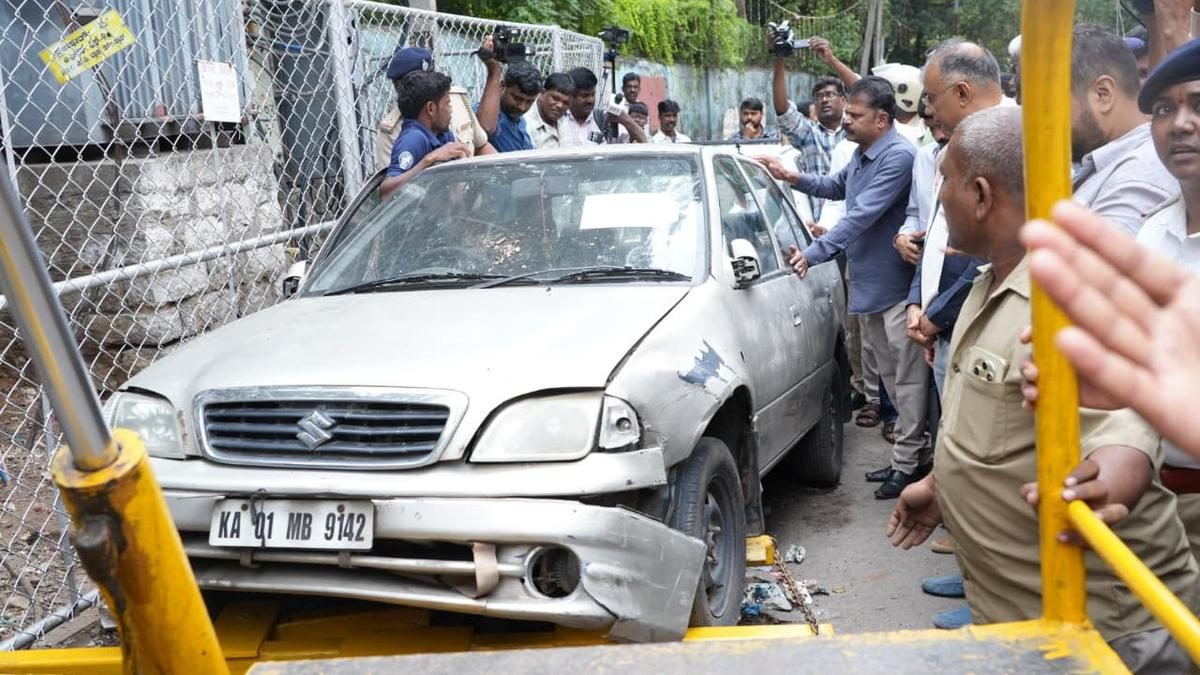
On July 18, 2026, the Greater Bengaluru Authority (GBA) and Bengaluru Traffic Police (BTP) initiated a drive to remove abandoned vehicles from the streets of Bengaluru, marking the second phase of a footpath clearance initiative aimed at enhancing pedestrian infrastructure. The drive identified 4,249 abandoned vehicles, with 2,751 flagged by the BTP and 1,498 reported by citizens via the ASTraM application. Despite notices issued for removal, only 72 vehicle owners responded by paying fines and reclaiming their vehicles.
Key takeaways
- Urban governance involves the management of urban spaces and services — [It is critical for ensuring efficient public service delivery and enhancing the quality of life in cities.]
- Infrastructure development includes the construction and maintenance of essential facilities and services — [It is vital for economic growth and urban sustainability.]
- The clearance of abandoned vehicles is part of broader urban management strategies — [Such initiatives improve pedestrian safety and urban aesthetics, reflecting effective governance.]
- Citizen engagement through applications like ASTraM is essential for urban governance — [It empowers residents to participate actively in city management and report issues.]
- The GBA's approach to auctioning unclaimed vehicles demonstrates a strategy for resource recovery — [This reflects a financial aspect of urban governance, where assets are managed efficiently.]
Conceptual analysis
Urban governance encompasses the processes and structures through which cities are managed, focusing on the delivery of public services and infrastructure development. In the case of Bengaluru, the recent initiative by the Greater Bengaluru Authority (GBA) to remove abandoned vehicles highlights the challenges urban areas face in maintaining public spaces and ensuring pedestrian safety. The identification and removal of over 4,000 abandoned vehicles not only aim to enhance the aesthetic appeal of the city but also address the significant inconvenience these vehicles pose to citizens. Effective urban governance requires collaboration between various civic bodies and active citizen participation, as evidenced by the use of the ASTraM application for reporting issues. Furthermore, the GBA's strategy to auction unclaimed vehicles reflects a pragmatic approach to resource management within urban governance frameworks. This initiative underscores the importance of infrastructure development in urban settings, which is crucial for fostering economic growth and improving the overall quality of life for residents. As cities continue to grow, the need for effective governance and sustainable infrastructure development becomes increasingly critical.
Concept explainers
The process of managing urban areas, focusing on the delivery of public services and infrastructure.
The construction and maintenance of essential facilities and services that support economic growth and quality of life.
Facilities and services designed to ensure safe and convenient movement for pedestrians.
The involvement of residents in decision-making processes related to urban management.
Strategies employed to reclaim value from unutilized or abandoned assets.
Syllabus tags
Source: The Hindu, 18 Jul 2026
Read today's current affairs
Sign up free for daily UPSC concept cards, Prelims practice, and Mains evaluation.