Understanding the Electoral Process and the Role of the Election Commission in Voter Registration
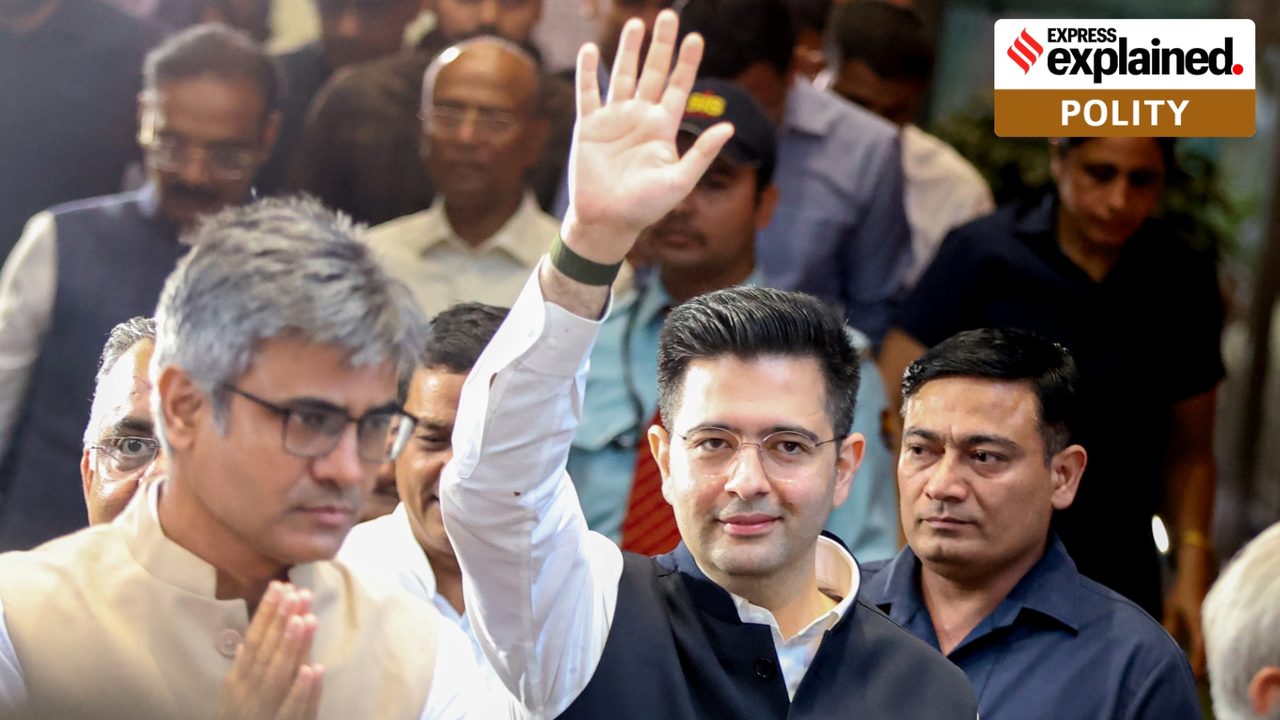
What happened
BJP Rajya Sabha MP Raghav Chadha's name was deleted from the Punjab draft electoral roll during the Election Commission's Special Intensive Revision (SIR) process, which began in June 2025. His name was marked as 'permanently shifted' due to his alleged residence in Delhi, leading to allegations of political vendetta by the Aam Aadmi Party government in Punjab. The deletion process allows for aggrieved individuals to submit a Form 6 to restore their names during a designated claims period.
Key takeaways
- The Election Commission (EC) oversees the electoral process in India, including the preparation and revision of electoral rolls — [This is crucial for ensuring free and fair elections, as accurate voter lists are essential for the integrity of the electoral process.]
- The Special Intensive Revision (SIR) process allows for the systematic updating of electoral rolls, identifying and removing names of those who are deceased, have shifted, or are duplicates — [This process enhances the accuracy of voter lists and helps maintain the integrity of the electoral system.]
- Electors whose names are deleted can file a Form 6 during the claims and objections period to restore their eligibility — [This provision ensures that citizens have a mechanism to contest wrongful deletions and maintain their voting rights.]
- Raghav Chadha's case illustrates the potential for political implications surrounding electoral roll management, as allegations of political vendetta can arise during such processes — [Understanding these dynamics is important for analyzing the intersection of politics and electoral administration.]
Conceptual analysis
The electoral process in India is governed by the Election Commission (EC), which is responsible for conducting free and fair elections. A critical aspect of this process is the preparation and revision of electoral rolls, which involves identifying and removing names of individuals who are deceased, have moved, or are duplicates. The Special Intensive Revision (SIR) process is a systematic approach initiated by the EC to ensure that electoral rolls are up-to-date and accurate. In this context, the case of Raghav Chadha, whose name was deleted from the Punjab draft electoral roll, highlights the complexities involved in voter registration. Chadha's deletion was attributed to his status as 'permanently shifted,' raising questions about residency and eligibility. The EC provides a mechanism for individuals to contest such deletions through the submission of Form 6 during a designated claims period. This process is vital for upholding the democratic principle of ensuring that all eligible citizens can exercise their right to vote. The interplay between electoral administration and political dynamics, as seen in Chadha's allegations of political vendetta, underscores the importance of transparency and fairness in the electoral process.
Concept explainers
The constitutional authority responsible for administering election processes in India.
A list of eligible voters in a constituency, maintained by the Election Commission.
The statutory form used by individuals to register as voters or to contest deletions from the electoral rolls.
A process initiated by the Election Commission to update and revise electoral rolls systematically.
Syllabus tags
Source: Indian Express, 04 Sep 2026
Read today's current affairs
Sign up free for daily UPSC concept cards, Prelims practice, and Mains evaluation.