Understanding Resentment Towards Migrants in Global Contexts
What happened
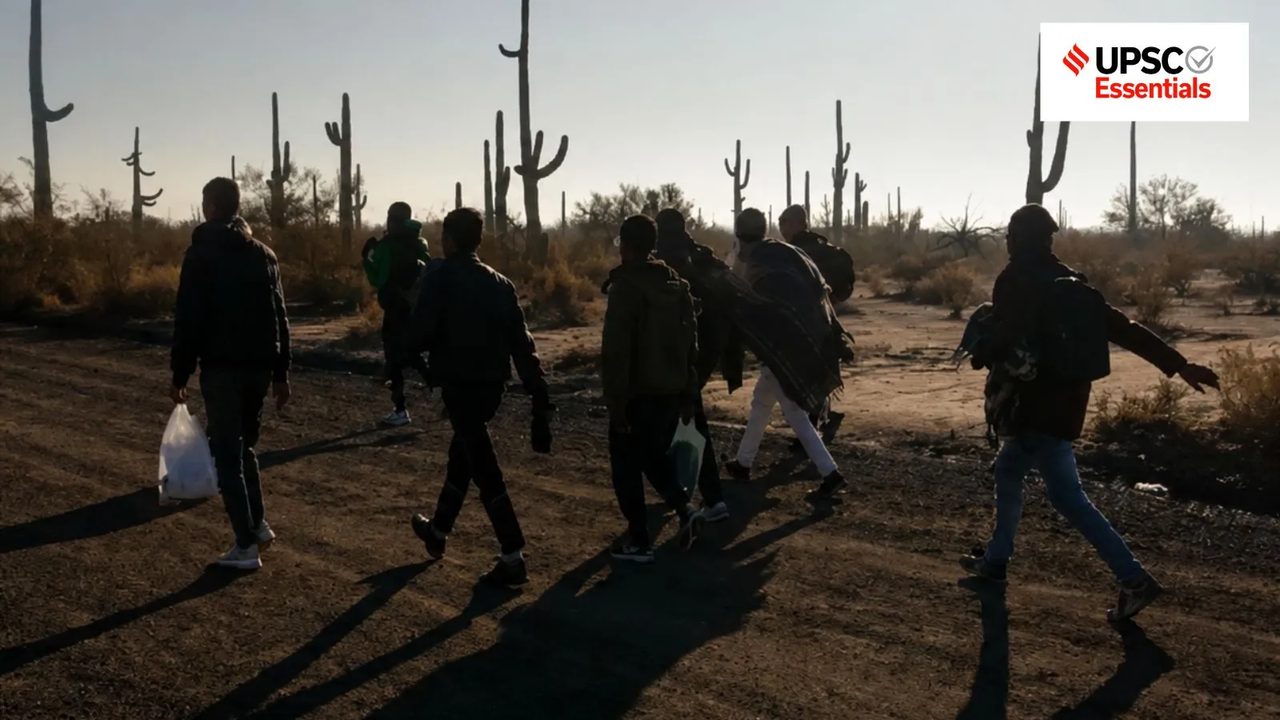
The Indian Express article discusses the increasing resentment towards migrants in various countries, despite their significant contributions to sectors like sports, politics, and technology. It highlights the paradox of nations benefiting from migration while simultaneously enacting anti-immigrant policies, as noted in the World Migration Report 2026 by the International Organisation for Migration.
Key takeaways
- Migration contributes positively to economies and societies — This reveals the duality of migration, where benefits are often overshadowed by social tensions.
- Anti-immigrant sentiments can arise from economic anxieties and cultural fears — Understanding these sentiments is crucial for policymakers to address the root causes of resentment.
- Countries facing labor shortages, like Japan, rely on migration for workforce sustainability — This indicates the necessity of a balanced approach to migration that recognizes both benefits and challenges.
- The role of migrants in nation-building is often underappreciated — This highlights the need for a more humane and holistic view of migration in public discourse.
- The World Migration Report advocates for well-managed migration policies — This emphasizes the importance of governance in shaping public perceptions and realities of migration.
Conceptual analysis
Migration has been a significant aspect of human history, contributing to economic growth, cultural exchange, and social development. However, the increasing resentment towards migrants in various countries poses a complex challenge. This resentment often stems from economic fears, cultural anxieties, and political rhetoric that frames migrants as threats to local jobs and social cohesion. Despite the clear benefits that migrants bring, such as filling labor shortages in aging populations and enriching cultural landscapes, anti-immigrant policies have gained traction. The World Migration Report 2026 emphasizes the need for well-managed migration that supports national workforces and addresses critical labor gaps. A more humane and holistic approach to migration is essential, one that recognizes the contributions of migrants while also addressing the concerns of local populations. This dual perspective is crucial for fostering social harmony and effective governance in an increasingly interconnected world.
Concept explainers
The movement of people from one place to another, often for the purpose of settling temporarily or permanently in a new location.
Negative attitudes or policies directed towards immigrants, often based on fears of economic competition or cultural dilution.
A situation where the demand for workers exceeds the supply, often leading to reliance on migrant labor.
An annual publication by the International Organisation for Migration that provides insights and data on global migration trends.
Syllabus tags
Source: Indian Express, 03 Sep 2026
Read today's current affairs
Sign up free for daily UPSC concept cards, Prelims practice, and Mains evaluation.