Understanding Inflation as an Economic Indicator
What happened
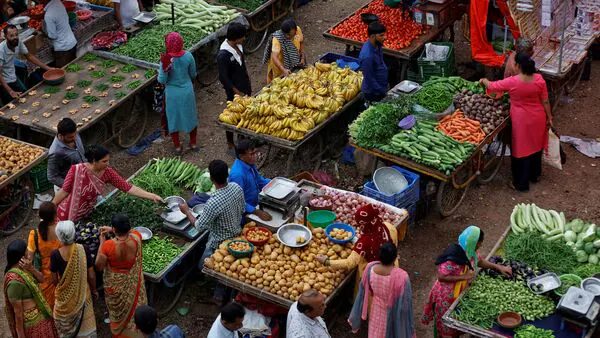
Retail inflation in India rose to 4.4% in June 2026, surpassing the Reserve Bank of India's medium-term target of 4% for the first time since January 2025. This increase was primarily driven by higher food and fuel prices, with food inflation reaching 5.3%. Concurrently, Indian exports have experienced significant shifts due to geopolitical factors, with exports to the UAE declining by 12% while shipments to other countries like Singapore and South Africa increased.
Key takeaways
- Inflation is a measure of the rate at which the general level of prices for goods and services is rising — [It is a key economic indicator that influences monetary policy and consumer behavior.]
- The Reserve Bank of India (RBI) has a medium-term inflation target of 4%, which it aims to maintain to ensure price stability — [This target guides the RBI's monetary policy decisions, including interest rate adjustments.]
- Food inflation can significantly impact overall inflation rates, as seen with food prices rising sharply due to weather-related risks — [Understanding food inflation is crucial for assessing the cost of living and economic stability.]
- Shifts in export patterns can indicate broader economic trends and geopolitical influences, as seen with India's exports reorienting towards countries like Singapore and South Africa — [Such trends are vital for evaluating the health of the economy and trade relationships.]
- The Index of Services Production (ISP) shows growth in various service sectors, indicating economic recovery and resilience — [Service sector performance is a critical component of GDP and employment statistics.]
Conceptual analysis
Inflation serves as a crucial economic indicator that reflects the rate at which the general price level of goods and services rises, eroding purchasing power. In India, the Reserve Bank of India (RBI) has set a medium-term inflation target of 4%, which is essential for maintaining price stability and guiding monetary policy. Recent data shows that retail inflation has breached this target, primarily driven by rising food and fuel prices. Food inflation, in particular, has surged due to various factors, including weather-related risks that threaten agricultural output. This situation underscores the importance of monitoring inflation trends, as they directly impact consumer behavior and economic policy decisions. Additionally, shifts in export patterns, influenced by geopolitical events, further illustrate the interconnectedness of global trade and domestic economic health. For instance, while exports to traditional partners like the UAE have declined, there has been a notable increase in shipments to countries such as Singapore and South Africa, indicating a potential reorientation of trade relationships. The performance of the services sector, as captured by the Index of Services Production, also reflects broader economic trends, with significant growth in various sub-sectors, suggesting resilience in the economy despite challenges.
Concept explainers
The rate at which the general level of prices for goods and services rises, leading to a decrease in purchasing power.
The inflation rate measured by changes in the price of a basket of consumer goods and services.
India's central banking institution responsible for regulating the country's monetary policy.
A statistical measure that tracks the performance of various service sectors in the economy.
Patterns and changes in the volume and value of goods exported by a country over time.
Syllabus tags
Source: Livemint, 18 Jul 2026
Read today's current affairs
Sign up free for daily UPSC concept cards, Prelims practice, and Mains evaluation.