Right to Internet Access as a Fundamental Right (Articles 21 and 19(1)(a)) and the Proportionality Test for Children's Online Safety
What happened
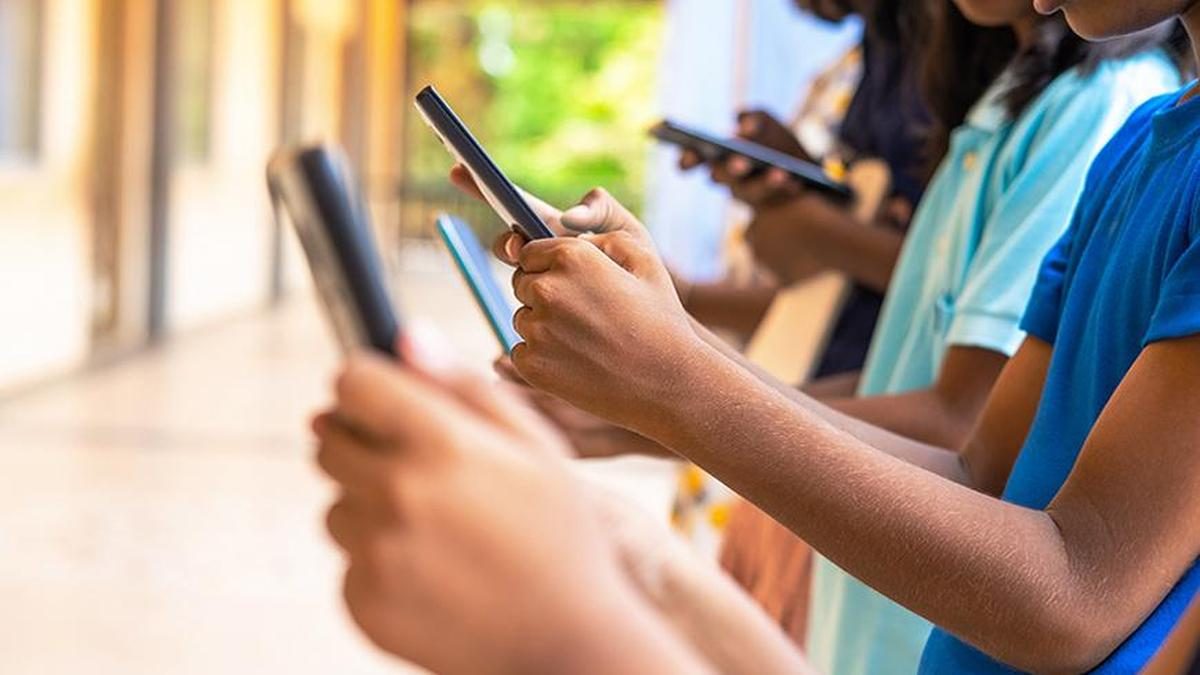
A Supreme Court Bench of Justices J.B. Pardiwala and K. Vinod Chandran held that the right to access and use the internet is a fundamental right of every individual, including children, under Article 21 read with Article 19(1)(a). The court rejected blanket bans on children's internet or social media use as 'unproven measures of proven disproportionality'. It issued directions for proportionate safeguards such as parental consent and oversight, 'child mode' accounts, private-by-default profiles, restrictions on messages from unknown adults, stronger content and ad moderation, and grievance outlets.
Key takeaways
- Right to internet access is read into Article 21 (life and personal liberty) with Article 19(1)(a) (free speech) — this extends Anuradha Bhasin (2020), which protected expression and trade via the internet but had left open whether access itself is a fundamental right.
- Children enjoy the same fundamental rights as adults — the court said denying them internet access would be as absurd as saying they lack a conscience or speech worth protecting, a rights-based view of childhood that is useful in Mains answers.
- Proportionality doctrine applied — blanket bans fail because they are disproportionate, of unproven efficacy and push children to unregulated platforms; this tests the Puttaswamy proportionality standard (legitimate aim, suitability, necessity, balancing).
- Safety and freedom are complementary, not opposed — the court favoured 'intelligent restraints' such as parental consent, child-mode accounts and stronger moderation, and placed duties on intermediaries, MeitY and law enforcement.
- Contemporary example: the court noted that hostile restrictions deter children from reporting abuse, which would defeat the object of the POCSO Act, and stressed the internet's value for remote-area and special-needs children.
Conceptual analysis
The Indian Constitution does not mention the internet, but the Supreme Court has repeatedly interpreted Articles 19 and 21 in light of technological change. In Anuradha Bhasin v. Union of India (2020), arising from the Kashmir shutdown, the Court held that free speech and the freedom to carry on trade through the internet are constitutionally protected, and that shutdowns must be temporary, necessary, proportionate and subject to review. Earlier, Faheema Shirin v. State of Kerala (2019) by the Kerala High Court recognised internet access as part of the right to education and privacy. The present ruling goes further by stating that access to and use of the internet is itself a fundamental right under Articles 21 and 19(1)(a), and that it applies to children irrespective of age. Reasoning on proportionality, rooted in K.S. Puttaswamy (2017), the Bench held that blanket bans are ineffective, because children migrate to unregulated and riskier platforms, and counterproductive, because fear of punishment stops them from reporting abuse to trusted adults, undermining POCSO's purpose. At the same time, the Court accepted age-appropriate safeguards: parental consent, child-mode accounts, private-by-default settings, limits on contact from unknown adults and better moderation. The responsibility is shared among platforms, MeitY, law enforcement and courts. The judgment balances the right to access information, which matters for remote and special-needs children, against the state's duty of protection under Article 39(f) and Article 15(3). It also bears on debates over age-verification rules and the Digital Personal Data Protection Act's provisions on verifiable parental consent.
Concept explainers
Guarantees the right to life and personal liberty, which courts have expanded to include privacy, education, dignity and now internet access.
Guarantees freedom of speech and expression to citizens, subject to reasonable restrictions under Article 19(2).
A test that a rights-restricting measure must have a legitimate aim, be suitable, be necessary with no less restrictive alternative, and strike a fair balance.
Landmark case on internet shutdowns in Jammu and Kashmir that held internet-mediated speech and trade to be constitutionally protected.
Protection of Children from Sexual Offences Act, which criminalises sexual offences against children and mandates reporting and child-friendly procedures.
Platforms and service providers such as social media companies that host or transmit third-party content, regulated under the IT Act, 2000.
Syllabus tags
Source: The Hindu + Livemint, 17 Oct 2026
Read today's current affairs
Sign up free for daily UPSC concept cards, Prelims practice, and Mains evaluation.