Legal Implications of Economic Crime: Case Study of Covid Loan Fraud
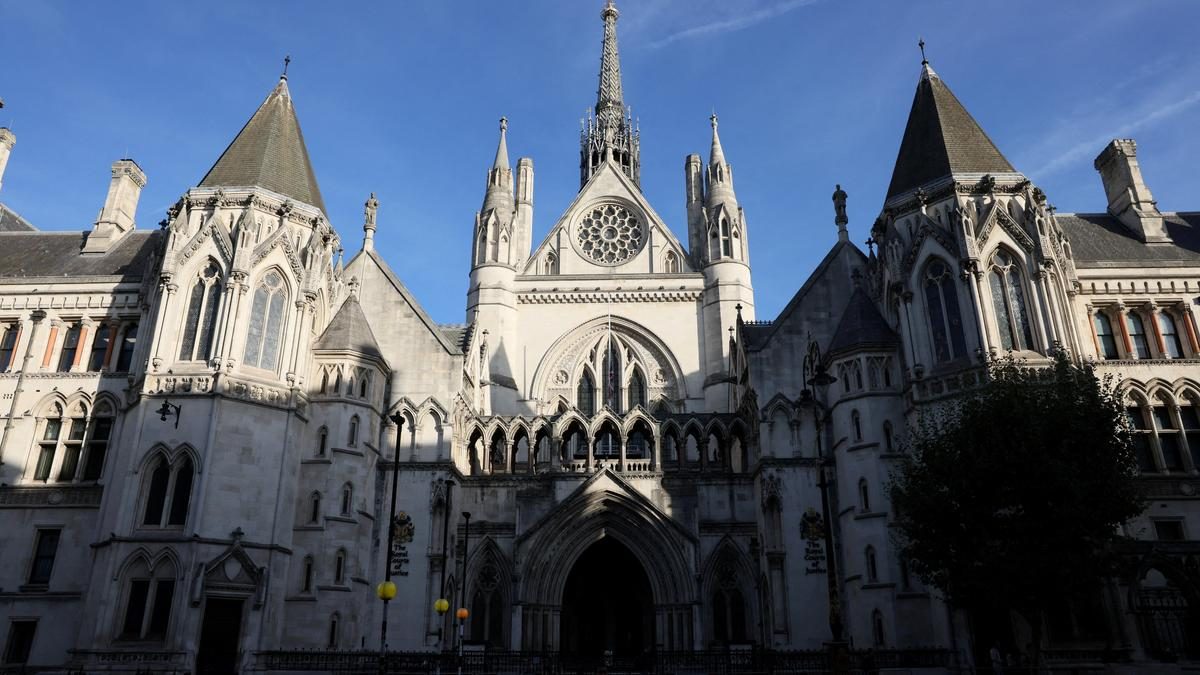
What happened
Rupali Wagh, an Indian-origin woman, was sentenced to two years and three months in prison by a U.K. court for fraudulently obtaining five Bounce Back Loans totaling £216,250 during the Covid pandemic. She inflated her companies' turnover to secure the loans and misused the funds for personal expenses, including paying off debts and buying stocks. The sentencing occurred on July 17, 2026, after Wagh pleaded guilty to multiple counts of fraud.
Key takeaways
- Economic crime encompasses various illegal activities aimed at financial gain, including fraud and embezzlement — Understanding economic crime is crucial for developing effective legal frameworks and enforcement mechanisms.
- Fraudulent activities during crises, such as the Covid pandemic, highlight vulnerabilities in financial systems and the need for robust oversight — This is particularly relevant for UPSC as it reflects on governance and regulatory challenges.
- The legal consequences of economic crimes can include significant prison sentences and financial penalties — This underscores the importance of legal accountability in maintaining public trust in financial systems.
- The Bounce Back Loan scheme was designed to support businesses during the pandemic, but its exploitation raises questions about the adequacy of safeguards in emergency financial assistance programs — This serves as a case study for evaluating policy effectiveness.
- Rupali Wagh's case exemplifies the ongoing efforts by authorities, such as the Insolvency Service in the U.K., to combat fraud and protect public funds — This reflects the role of regulatory bodies in enforcing compliance and deterring economic crime.
Conceptual analysis
Economic crime, particularly in the form of fraud, poses significant challenges to governance and financial integrity. The case of Rupali Wagh, who fraudulently obtained Bounce Back Loans during the Covid pandemic, illustrates the vulnerabilities in emergency financial assistance schemes. Wagh inflated her businesses' turnover to secure loans intended to support genuine businesses, misusing the funds for personal gain. This incident not only highlights the need for stringent oversight and regulatory measures but also underscores the legal implications of economic crimes, which can lead to severe penalties, including imprisonment. The U.K. authorities' commitment to prosecuting fraudsters reflects an essential aspect of governance: ensuring accountability and maintaining public trust in financial systems. As economic crimes can undermine the very fabric of financial stability, understanding their legal ramifications is crucial for developing effective policies and safeguards.
Concept explainers
Illegal activities aimed at financial gain, including fraud, embezzlement, and money laundering.
Deliberate deception to secure unfair or unlawful gain, often involving misrepresentation.
A U.K. government scheme providing loans to small businesses affected by the Covid pandemic.
A government agency in the U.K. responsible for tackling financial wrongdoing and insolvency.
Syllabus tags
Source: The Hindu, 18 Jul 2026
Read today's current affairs
Sign up free for daily UPSC concept cards, Prelims practice, and Mains evaluation.