Kukrail Night Safari Project and Its Environmental Implications
What happened
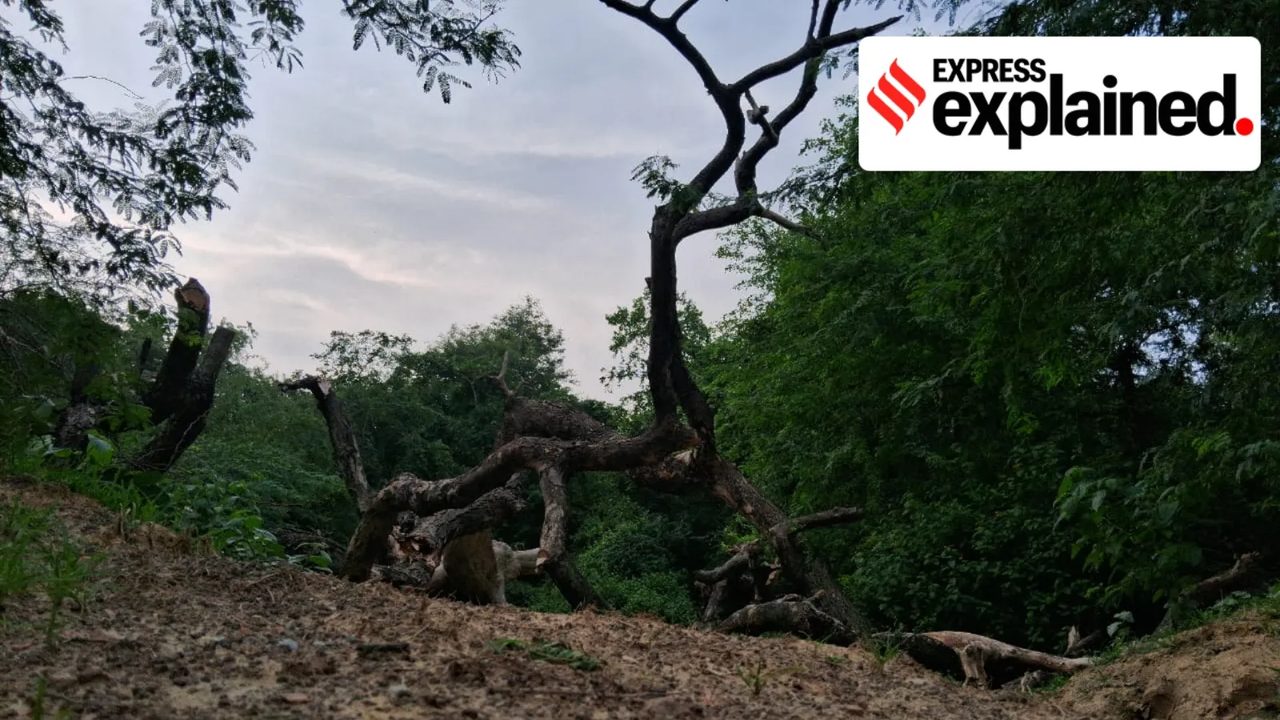
The Supreme Court of India has approved the Rs 1,510-crore Kukrail Night Safari project in Lucknow, which will be developed within the ecologically sensitive Kukrail Reserve Forest. This project aims to create India's first night safari and is expected to attract tourism while also housing India's first gharial conservation centre.
Key takeaways
- Biodiversity Conservation — The Kukrail Reserve Forest is home to diverse flora and fauna, including the gharial, a critically endangered species, highlighting the importance of protecting biodiversity in development projects.
- Ecological Sensitivity — The project is located in an ecologically sensitive area, raising concerns about the potential impact on local ecosystems and wildlife habitats.
- Sustainable Tourism Development — The night safari aims to promote sustainable tourism, which can provide economic benefits while ensuring environmental conservation.
- Legal Scrutiny and Environmental Approval — The project underwent extensive legal scrutiny before receiving approval, underscoring the need for compliance with environmental regulations in development initiatives.
- Global Context of Night Safaris — The Kukrail Night Safari will be the fifth of its kind globally, following similar projects in Singapore, Thailand, China, and Indonesia, reflecting a growing trend in eco-tourism.
Conceptual analysis
The Kukrail Night Safari project represents a significant intersection of tourism, biodiversity conservation, and environmental management in India. Located in the Kukrail Reserve Forest, which spans 2,027 hectares, this project aims to create a unique night safari experience, the first in India, while also serving as a habitat for the gharial, a species that has faced severe population declines. The Supreme Court's approval of this Rs 1,510-crore initiative came after years of scrutiny, reflecting the delicate balance between development and ecological preservation. Sustainable tourism is increasingly recognized as a vital approach to economic growth that does not compromise environmental integrity. However, the project's location in an ecologically sensitive area raises critical questions about the potential impacts on local wildlife and habitats. The Kukrail Night Safari could set a precedent for future eco-tourism projects in India, emphasizing the need for stringent environmental assessments and sustainable practices to ensure that tourism development contributes positively to biodiversity conservation.
Concept explainers
The variety of life in the world or in a particular habitat or ecosystem.
Tourism that respects both local people and the traveler, cultural heritage and the environment.
Regions that require special management to protect their unique ecosystems and biodiversity.
Syllabus tags
Source: Indian Express, 18 Jul 2026
Read today's current affairs
Sign up free for daily UPSC concept cards, Prelims practice, and Mains evaluation.