Judicial Scrutiny of the Two-Child Rule in Panchayat Elections
What happened
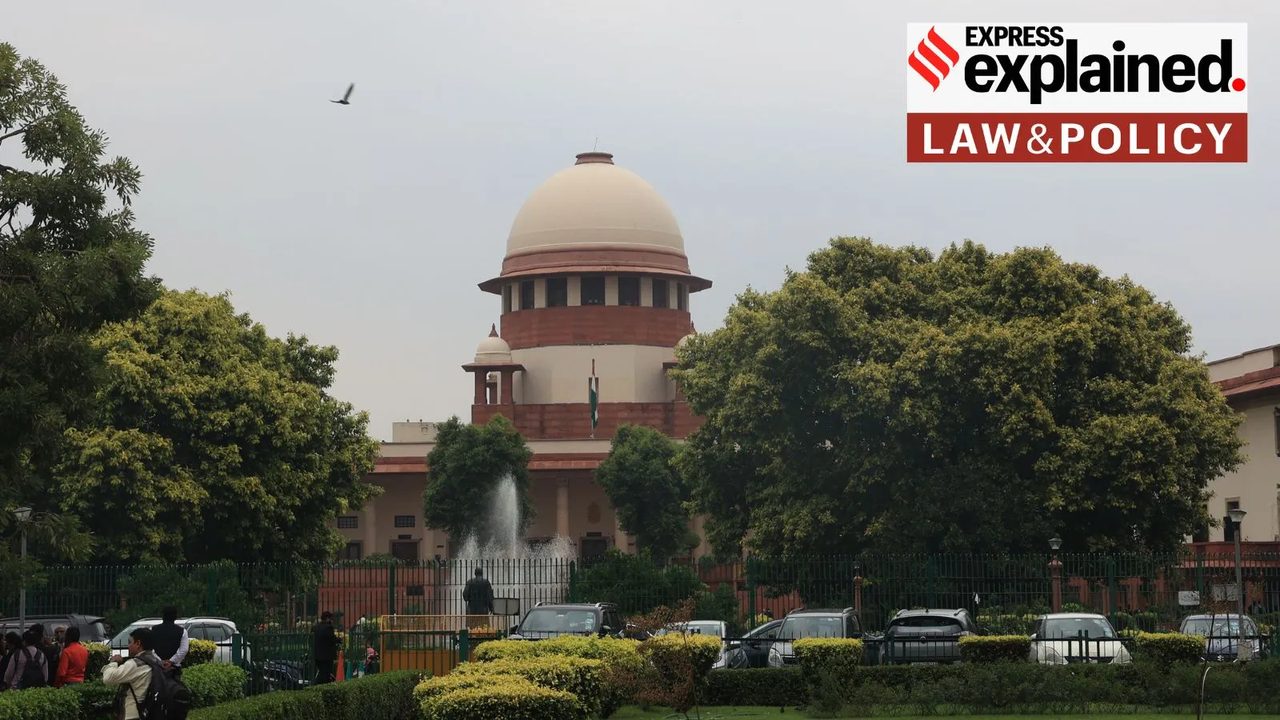
On July 14, 2023, the Supreme Court of India questioned the relevance of the two-child rule that disqualifies individuals with more than two children from contesting panchayat elections. The bench, comprising Justices P S Narasimha and Alok Aradhe, noted the declining fertility rates in several states and suggested that the original purpose of the law may no longer be valid. The court appointed an amicus curiae to investigate similar laws in other states and requested relevant materials from the petitioner's counsel.
Key takeaways
- The two-child rule was introduced to control population growth — It reflects the state's attempt to manage demographic challenges, but its relevance is now under scrutiny.
- The Supreme Court's questioning indicates a shift in judicial perspective on population control measures — This could lead to significant legal precedents affecting similar laws across India.
- Declining fertility rates in India challenge the justification for the two-child rule — This demographic change raises questions about the necessity and fairness of such disqualifications in elections.
- The appointment of an amicus curiae signifies the court's commitment to a thorough examination of the issue — This procedural step highlights the importance of informed legal discourse in judicial decisions.
- The case may set a precedent for future challenges to population control laws — It underscores the evolving nature of legal interpretations in response to changing societal contexts.
Conceptual analysis
The two-child rule in India, which disqualifies individuals with more than two children from contesting panchayat elections, was initially introduced as a measure to control population growth. However, the Supreme Court's recent questioning of this rule reflects a significant shift in the judicial approach towards demographic policies. With fertility rates declining in many states, the court is reconsidering whether such laws still serve their intended purpose. The Supreme Court's observations not only highlight the need for laws to adapt to changing demographic realities but also emphasize the role of the judiciary in evaluating the fairness and relevance of existing regulations. The appointment of an amicus curiae to investigate similar laws in other states indicates the court's commitment to a comprehensive review of the implications of the two-child rule. This case could set a precedent for future legal challenges to population control measures, making it a critical point of discussion in the context of governance and individual rights in India.
Concept explainers
A system of local self-government in rural areas of India, consisting of elected representatives.
A policy that disqualifies individuals with more than two children from holding certain public offices, aimed at controlling population growth.
A legal term meaning 'friend of the court', referring to someone who is not a party to a case but offers information or expertise relevant to the case.
The power of the judiciary to review and invalidate laws or executive actions that are found to be unconstitutional.
Syllabus tags
Source: Indian Express, 18 Jul 2026
Read today's current affairs
Sign up free for daily UPSC concept cards, Prelims practice, and Mains evaluation.