Introduction of Polymer Currency in India: Implications for Currency Policy
What happened
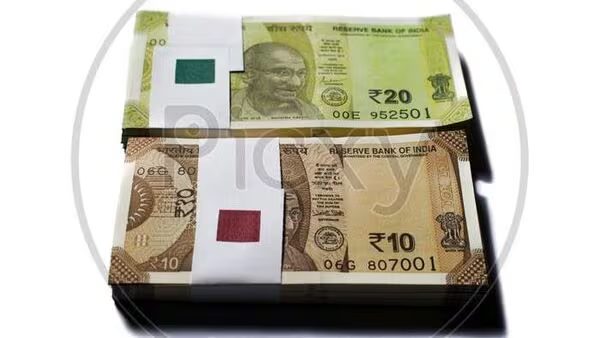
The Reserve Bank of India's currency printing arm has invited global bids for the supply of polymer substrate sheets intended for the production of Indian banknotes, specifically targeting the ₹10 and ₹20 denominations. This initiative, announced on August 18, 2026, follows RBI Governor Sanjay Malhotra's earlier statement regarding the consideration of polymer banknotes, marking a significant step towards potentially replacing paper currency with plastic alternatives.
Key takeaways
- Polymer currency is designed to enhance durability and security — This is significant as it addresses issues of counterfeiting and extends the lifespan of banknotes.
- The introduction of polymer notes involves stringent security features — Such measures are crucial for maintaining public trust in the currency and ensuring financial stability.
- Field trials will determine the feasibility of broader implementation across multiple denominations — This phased approach allows for assessment and adjustment based on initial outcomes, minimizing risks.
- The bidding process includes strict national security conditions for suppliers — This reflects the importance of safeguarding the integrity of the currency production process.
- The move towards polymer currency aligns with global trends in currency modernization — Understanding these trends is essential for evaluating India's position in the international financial landscape.
Conceptual analysis
The introduction of polymer currency in India represents a significant shift in the country's currency policy, aimed at enhancing the durability and security of banknotes. Polymer notes are known for their resistance to wear and tear, which can lead to reduced costs associated with currency replacement. Additionally, these notes can incorporate advanced security features that make counterfeiting more difficult, thereby protecting the integrity of the financial system. The Reserve Bank of India's recent invitation for global bids to supply polymer substrate sheets indicates a serious commitment to this initiative, with the initial focus on lower denominations of ₹10 and ₹20. This phased approach allows for field trials to assess the material's performance before broader implementation. Furthermore, the stringent requirements for suppliers underscore the importance of national security in the currency production process. As countries worldwide move towards polymer currency, India's efforts reflect a broader trend in modernizing financial systems to enhance security and efficiency.
Concept explainers
Banknotes made from a type of plastic that are more durable and secure than traditional paper notes.
Biaxially Oriented Polypropylene, a type of plastic used for making polymer banknotes.
Elements incorporated into banknotes to prevent counterfeiting, such as watermarks, holograms, and special inks.
Testing phases where new products are evaluated for performance and effectiveness before full-scale production.
Syllabus tags
Source: Livemint, 18 Jul 2026
Read today's current affairs
Sign up free for daily UPSC concept cards, Prelims practice, and Mains evaluation.