Impact of U.S. Immigration Policy Changes on Foreign Students and Professionals
What happened
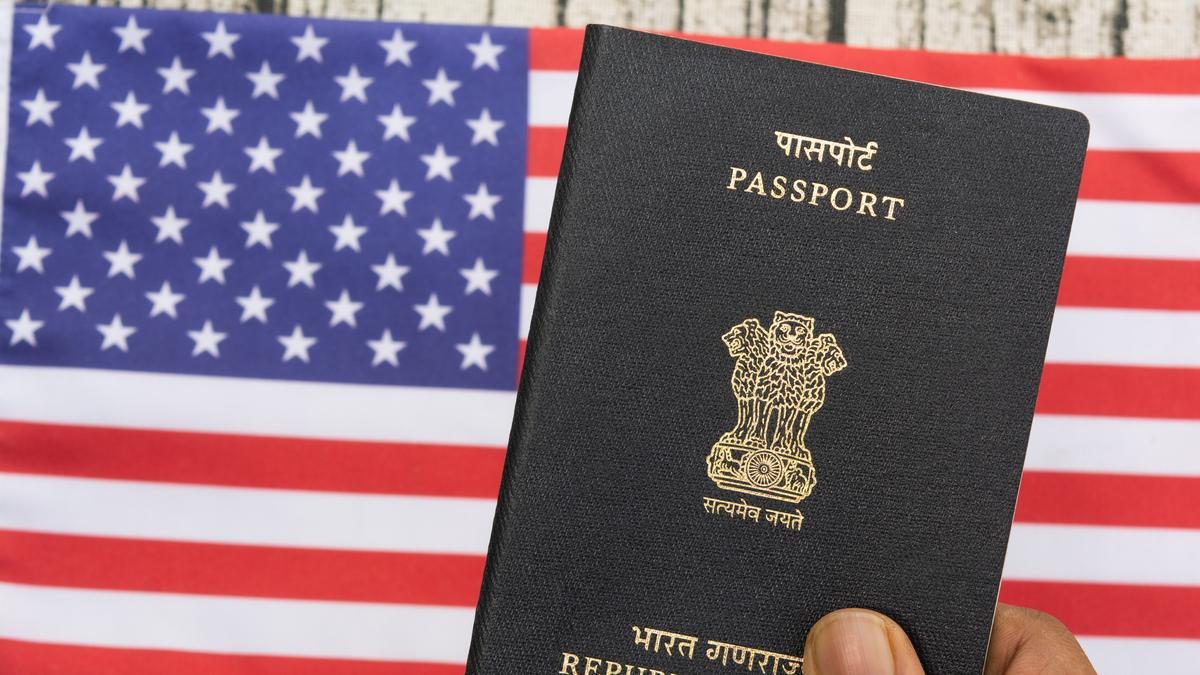
On July 16, 2026, the U.S. Department of Homeland Security announced new immigration rules that impose a fixed period of admission for non-immigrant visa holders, including students and exchange visitors. The changes limit the stay of F and J visa holders to a maximum of four years and reduce the grace period for F-1 visa holders from 60 to 30 days post-graduation. The new rules aim to enhance national security and ensure that foreign students remain focused on their studies.
Key takeaways
- U.S. immigration policy can significantly impact international students and professionals — This reflects the interconnectedness of global education systems and the importance of immigration policies in shaping academic and professional opportunities.
- The introduction of fixed admission periods for non-immigrant visas aims to prevent visa abuse and enhance national security — This highlights the balance governments seek between welcoming foreign talent and ensuring national interests.
- The reduction of the grace period for F-1 visa holders raises concerns about the ability of students to transition smoothly after graduation — This may affect the attractiveness of U.S. institutions for international students.
- The new rules particularly affect PhD students and researchers who often require more than four years to complete their programs — This could lead to a decline in high-skilled immigration to the U.S. and impact research output.
- The limitations on I visas for foreign journalists, especially the stricter rules for Chinese nationals, indicate a broader trend of tightening immigration policies — This reflects geopolitical tensions and the implications for media freedom and exchange.
Conceptual analysis
The recent changes to U.S. immigration policy, particularly regarding non-immigrant visas for students and professionals, underscore the complex interplay between national security and international education. The U.S. Department of Homeland Security's new rules, which impose a four-year limit on the stay of F and J visa holders, aim to restore integrity to the immigration system and prevent abuse. This shift is significant as it directly affects the ability of foreign students, especially those pursuing advanced degrees, to complete their studies without the pressure of strict time constraints. The reduction of the grace period for F-1 visa holders from 60 to 30 days post-graduation further complicates their transition into the workforce or further education. Such policies not only impact individual students but also the broader landscape of U.S. higher education, which has historically relied on international talent. As countries compete for skilled professionals, these changes may deter prospective students from choosing the U.S. as their destination for higher education, potentially leading to a decline in innovation and research output. The limitations placed on journalists through I visas also reflect a tightening of immigration policies amid rising geopolitical tensions, indicating that immigration policy is increasingly intertwined with national security considerations.
Concept explainers
A non-immigrant student visa that allows foreign students to study at U.S. colleges and universities.
A non-immigrant visa for individuals approved to participate in work-and study-based exchange visitor programs.
A non-immigrant visa for foreign media representatives, including journalists.
A formal request made to U.S. immigration authorities to extend the duration of a non-immigrant's stay in the U.S.
Syllabus tags
Source: The Hindu, 18 Jul 2026
Read today's current affairs
Sign up free for daily UPSC concept cards, Prelims practice, and Mains evaluation.