Geopolitical Implications of Tariffs on Russian Oil Purchases
What happened
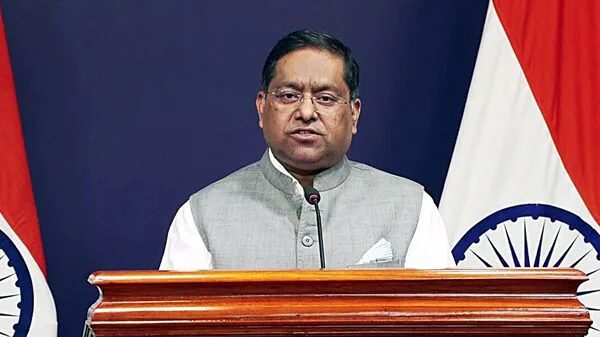
On July 17, 2026, the Indian Ministry of External Affairs stated it is closely monitoring a proposed US legislation that seeks to impose up to 100% tariffs on five countries, including India, for purchasing Russian oil. The legislation, introduced by Senators Richard Blumenthal and the late Lindsey Graham, aims to hold major buyers of Russian energy accountable amid the ongoing conflict in Ukraine.
Key takeaways
- Tariffs as a tool of foreign policy — Tariffs can be used by countries to exert economic pressure on others, influencing their behavior in international relations.
- Impact on energy security — Countries like India must balance their energy needs with geopolitical pressures, highlighting the complexity of international trade.
- Legislation targeting specific countries — The US bill specifically names India and others, illustrating how geopolitical alliances can shape trade policies.
- Exceptions for compliance — The bill includes provisions for countries importing less than 15% of Russian gas, indicating a nuanced approach to sanctions.
- Current geopolitical climate — The proposed tariffs reflect the broader context of sanctions against Russia, showcasing how energy markets are intertwined with global politics.
Conceptual analysis
The proposed legislation by the US to impose tariffs on countries purchasing Russian oil underscores the intersection of international trade and geopolitical strategy. Tariffs, traditionally used to protect domestic industries, can also serve as a means of foreign policy, exerting economic pressure on nations to align with international norms or sanctions. In this case, the US aims to penalize countries that continue to support Russia amid its ongoing conflict in Ukraine. India, as one of the largest importers of Russian oil, faces a complex dilemma: it must ensure its energy security while navigating the geopolitical landscape shaped by Western sanctions. The legislation's targeted approach, which includes exceptions for certain countries, reflects an understanding of the varied energy needs and dependencies of different nations. This situation highlights the broader implications of energy trade in global politics, where economic decisions are often influenced by diplomatic relations and security considerations.
Concept explainers
A tax imposed by a government on imported goods, used to regulate trade.
The association between national security and the availability of natural resources for energy consumption.
Restrictions imposed by countries to influence or punish other nations' behavior.
The use of geographic and economic factors to influence international relations and policies.
Syllabus tags
Source: Livemint, 18 Jul 2026
Read today's current affairs
Sign up free for daily UPSC concept cards, Prelims practice, and Mains evaluation.