Contempt of Court and Judicial Accountability in India
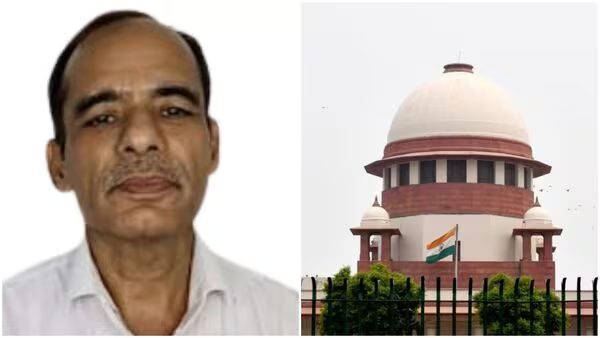
What happened
The Supreme Court suspended the six-month sentence of YouTuber Gulshan Pahuja on October 5, 2026, who had been convicted of contempt of court by the Delhi High Court for making scandalous remarks about the judiciary. Pahuja's comments were deemed to have personally attacked judicial officers and lowered the dignity of the judicial system, leading to his conviction in May 2026.
Key takeaways
- Contempt of court is a legal term that refers to actions that disrespect or disobey the authority of the court — it is crucial for maintaining the rule of law and judicial integrity.
- Judicial accountability ensures that judges and the judicial system are held responsible for their actions, promoting transparency and public trust in the judiciary — this is vital for a functioning democracy.
- The case of Gulshan Pahuja highlights the tension between freedom of speech and the need to protect the dignity of the judiciary — it raises questions about the limits of criticism against judicial decisions.
- The Supreme Court's decision to suspend Pahuja's sentence reflects a nuanced approach to contempt cases, balancing accountability with the right to free expression — this could set a precedent for future cases involving public criticism of the judiciary.
Conceptual analysis
Contempt of court is a legal mechanism designed to uphold the authority and dignity of the judiciary. It encompasses actions that disrespect or disobey court orders, including scandalous remarks that undermine public confidence in the judicial system. The case of Gulshan Pahuja, a YouTuber convicted for making derogatory comments about judicial officers, underscores the delicate balance between freedom of expression and the need for judicial accountability. The Delhi High Court's initial ruling emphasized that Pahuja's comments not only attacked individual judges but also questioned the integrity of the judicial system as a whole. The Supreme Court's recent suspension of his sentence indicates a recognition of the importance of free speech, even in the context of judicial criticism, while also signaling that such expressions must not cross the line into contempt. This case is significant as it may influence how future contempt cases are adjudicated, particularly in an era where social media amplifies public discourse on judicial matters.
Concept explainers
A legal finding that someone has disobeyed or shown disrespect for a court's authority.
The principle that judges must be held responsible for their actions and decisions to ensure fairness and integrity in the judicial process.
Comments that are offensive or damaging to the reputation of the judiciary or its members.
Syllabus tags
Source: Livemint, 04 Sep 2026
Read today's current affairs
Sign up free for daily UPSC concept cards, Prelims practice, and Mains evaluation.