Balancing Economic Patriotism with Cultural Heritage in India
What happened
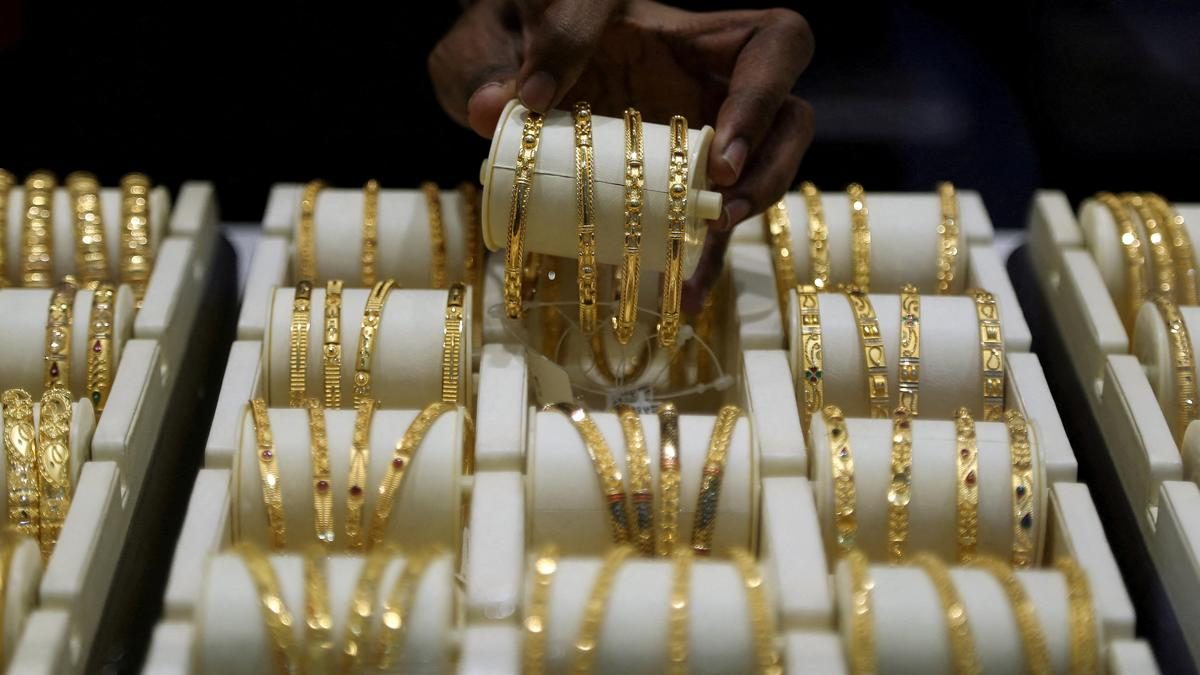
The All India Gem & Jewellery Domestic Council (GJC) responded to Prime Minister Narendra Modi's call on September 3, 2026, urging Indians to prioritize locally-made products and reduce gold imports. The GJC emphasized the need to balance economic patriotism with the cultural significance of gold jewellery, which plays a vital role in India's economy and traditions.
Key takeaways
- Economic patriotism refers to the preference for locally produced goods over foreign imports — it reflects a nation's commitment to support its own economy and industries.
- The jewellery sector contributes significantly to India's GDP, accounting for nearly 7-8% and supporting millions of livelihoods — this highlights the economic importance of cultural industries.
- Cultural heritage encompasses the traditions, customs, and practices that define a society, such as the significance of gold jewellery in Indian weddings and festivals — understanding this is crucial for policy-making.
- The call for restraint in gold purchases as an investment aligns with broader economic goals, but must consider cultural practices that are integral to Indian society — this illustrates the complexity of economic policies in culturally rich contexts.
- The GJC's assertion that the jewellery industry must grow responsibly while respecting cultural traditions underscores the need for sustainable economic practices — this is a key consideration in contemporary economic policy.
Conceptual analysis
The concept of balancing economic patriotism with cultural heritage is increasingly relevant in India's policy discourse, especially in sectors deeply intertwined with cultural practices, such as the jewellery industry. Economic patriotism advocates for prioritizing local products to bolster domestic industries and reduce dependency on imports. This is particularly significant in the context of Prime Minister Narendra Modi's recent appeal for Indians to limit gold purchases and support local craftsmanship. The jewellery sector, contributing approximately 7-8% to India's GDP and providing millions of jobs, exemplifies the intersection of economic and cultural values. Gold jewellery is not merely an investment; it holds profound cultural significance during festivals and weddings, making it essential to consider these traditions when formulating economic policies. The GJC's emphasis on responsible growth within the jewellery sector reflects the need for a nuanced approach that respects cultural heritage while promoting economic development. This balance is crucial for sustainable growth and the preservation of India's rich cultural identity.
Concept explainers
The practice of prioritizing domestic products and industries over foreign imports to support local economies.
The legacy of physical artifacts and intangible attributes of a group or society inherited from past generations.
The measure of a sector's contribution to the overall economic output of a country.
Economic development that is conducted without depletion of natural resources.
Syllabus tags
Source: The Hindu, 03 Sep 2026
Read today's current affairs
Sign up free for daily UPSC concept cards, Prelims practice, and Mains evaluation.